A high price can make a room look impressive for a moment. Luxury makes it feel right for years. The difference between luxury and expensive interior design is not simply the size of the budget or the number of premium labels in the room. It is the level of thought behind every surface, proportion, detail, and daily interaction.
For homeowners and business owners, this distinction matters. An expensive fit-out can still feel cluttered, impractical, or quickly dated. A luxurious interior feels composed, personal, and effortless because beauty and function have been designed together.
The Difference Between Luxury and Expensive Interiors
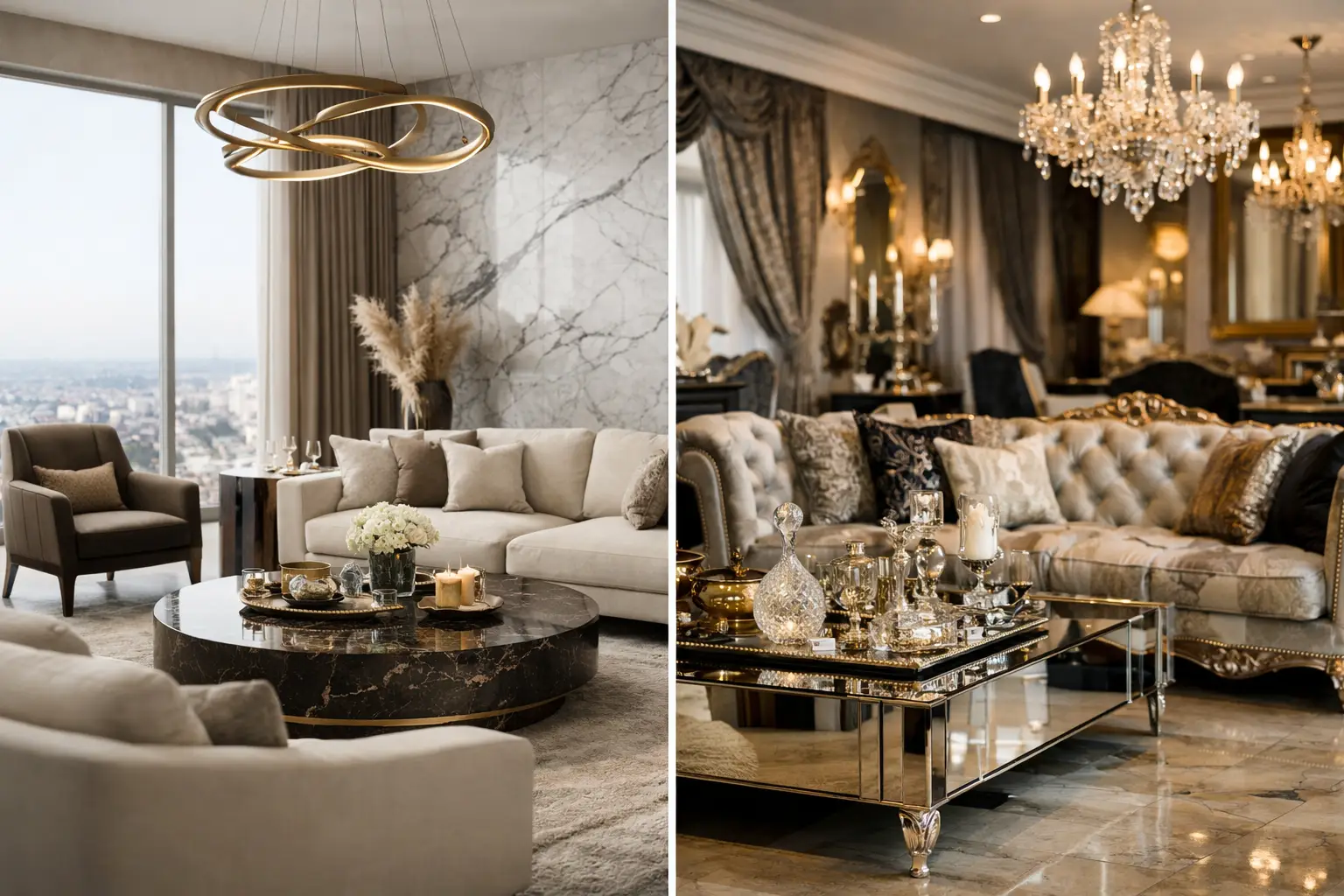
Expensive interiors often announce their cost. They may rely on dramatic marble, oversized chandeliers, branded furniture, or a long list of premium finishes. These elements can be beautiful, but price alone does not create harmony. If the layout is awkward, the lighting is flat, or the finishes compete for attention, the result can feel more like a showroom than a place to live or work.
Luxury is quieter and more intentional. It begins with understanding how a space will be used, who will use it, and what atmosphere it should create. In a villa, that may mean a kitchen planned for both family breakfasts and formal entertaining. In an office, it may mean acoustic privacy, welcoming client areas, and workspaces that support focus without sacrificing visual character.
The most luxurious rooms do not need to explain themselves. Their quality is felt in the way doors close, the way storage disappears into the architecture, and the way natural and artificial light reveal texture throughout the day.
Luxury Begins With a Plan, Not a Price Tag
A refined interior is built on space planning before finishes are selected. This is where many costly projects lose value. A beautiful sofa cannot correct poor circulation. Imported tiles cannot make a narrow kitchen more efficient. Decorative wall panels cannot compensate for insufficient storage.
Thoughtful planning creates the foundation for everything that follows. It establishes sightlines, movement paths, furniture scale, lighting zones, and the technical requirements hidden behind the finished surfaces. This is especially valuable during renovations in Dubai, where a project may involve coordinating building approvals, existing services, custom joinery, and several specialist trades.
Luxury also means designing around real habits. A family that cooks often needs durable, accessible work zones rather than an oversized island with little practical purpose. A business welcoming high-value clients may need a reception area that feels distinctive while remaining easy to maintain. The right design choices are not always the most expensive ones. They are the ones that make daily life smoother.
Materials Matter, but Detailing Tells the Story
Premium materials can elevate a space, but their selection and installation determine whether they feel truly luxurious. Natural stone with poorly aligned veining, veneer with visible uneven edges, or cabinetry with inconsistent gaps can undermine even the most generous material budget.
Craftsmanship is where luxury becomes tangible. Consider flush reveals around joinery, carefully matched grain direction, soft-close hardware, shadow gaps, tailored metalwork, and lighting integrated precisely where it is needed. These details may not demand attention at first glance, yet they create the calm visual order that people associate with exceptional interiors.
There is also a practical trade-off to consider. Some materials are visually striking but demanding to maintain. Others provide a similar appearance with stronger resistance to heat, moisture, scratches, or heavy commercial use. A skilled design-and-build partner helps clients choose finishes that suit the space rather than specifying materials for appearance alone.
Comfort Is the Test Expensive Rooms Often Fail
A luxurious interior supports the senses without overwhelming them. Lighting should flatter the room and adapt to different moments. Acoustics should allow conversation without echo. Seating should be comfortable enough to use, not simply admire. Temperature, privacy, and storage all influence whether a space feels polished or stressful.
This is why layering is more valuable than excess. Rather than filling every wall with statement finishes, luxury often uses contrast with restraint: warm timber against textured stone, soft fabrics beside crisp metal, or one sculptural feature balanced by quiet surrounding surfaces. The result has depth without visual noise.
Personalization is equally important. Copying a hotel lobby or a social-media trend may produce an expensive-looking room, but it rarely creates a home or workplace with lasting identity. Bespoke joinery, artful proportions, and a palette developed around the client’s preferences give an interior a sense of ownership that cannot be bought off the shelf.
Invest Where You Will Feel It Every Day
When budgets need priorities, invest first in layout, lighting, built-in storage, kitchens, bathrooms, and well-made joinery. These are the elements that shape how the space works long after a decorative accessory has been replaced. Then select a few focal materials or custom features that give the project character.
At Aakruti, the goal is not to add cost for the sake of appearance. It is to turn a clear vision into a finished environment where design direction, technical execution, contractor coordination, and craftsmanship work as one. That is how a space becomes more than expensive. It becomes a living work of art that performs beautifully every day.