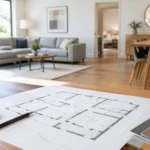

A beautiful home should not ask you to choose between character and comfort. It should reflect how you live, support the routines that matter, and feel considered in every detail. Bespoke Interior Design by Dubai’s Leading Residential Interior Designers is not about filling a room with expensive finishes. It is the disciplined process of turning personal taste, practical needs, and architectural potential into a home that works as beautifully as it looks.
For a villa, apartment, penthouse, or investment property, the difference is often found in the details that are easiest to overlook at first: circulation around a dining table, storage that disappears into the architecture, lighting that changes the mood after sunset, and materials selected for the way they age in real life. A truly tailored interior gives each of those decisions a purpose.
What Bespoke Design Really Means
Bespoke design begins before furniture, finishes, or color palettes. It starts with questions: Who uses this space? What feels inconvenient now? Which rooms are for quiet retreat, entertaining, family life, or work? How much maintenance is realistic? The answers shape the design direction and prevent a home from becoming a collection of attractive but disconnected choices.
A custom interior may include a reconfigured layout, made-to-measure joinery, tailored kitchen cabinetry, custom wall treatments, and a lighting plan designed around the architecture. Yet bespoke does not mean every item must be custom-made. It means every selection has been made for the home, rather than pulled from a standard formula.
That distinction matters in Dubai residences, where the scale of a villa, the views from a high-rise apartment, intense daylight, and open-plan living can all influence design decisions. A dramatic marble surface may suit a formal entrance, for example, while a high-performance porcelain alternative could be more practical for a busy family kitchen. Luxury is not excess. It is knowing where craftsmanship will have the greatest daily impact.
The Foundation Is Space Planning
The most polished interiors are rarely accidental. They are anchored by a space plan that resolves movement, proportion, storage, and furniture placement before construction begins. When this stage is rushed, clients often face familiar frustrations later: sofas that block a pathway, awkwardly placed outlets, kitchens with insufficient prep space, or bedrooms that look elegant but lack functional storage.
A strong plan considers the home as a complete experience. In a living room, that means balancing conversation areas with circulation and sightlines. In a kitchen, it means placing preparation, cooking, cleaning, and pantry storage in an arrangement that fits the household’s habits. In a bedroom, it means making room for rest while integrating wardrobes, dressing areas, and lighting that feels calm rather than clinical.
This is also the right stage to determine what should remain open and what deserves definition. Open-plan spaces can feel expansive, but without thoughtful zoning they may lose warmth and purpose. A change in ceiling detail, flooring direction, joinery finish, or lighting level can separate functions without enclosing the room.
Bespoke Joinery Gives a Home Its Signature
Freestanding furniture can furnish a room. Bespoke joinery can transform it. A carefully designed media wall, display cabinet, walk-in wardrobe, bar unit, vanity, or library makes use of dimensions that off-the-shelf pieces cannot address.
More importantly, joinery creates visual order. It can conceal equipment, organize daily essentials, frame a focal point, and introduce texture without cluttering the room. In compact apartments, this is often the difference between a home that feels crowded and one that feels composed. In larger villas, it helps expansive rooms feel intentional and personal.
The quality of joinery, however, lies well beyond the front finish. Internal configuration, edge treatment, hardware, ventilation, lighting integration, panel alignment, and installation accuracy all determine whether the finished piece feels refined. A beautiful drawing is only the beginning. Precise technical detailing and skilled execution are what make the concept endure.
Materials Should Be Chosen for Life, Not Just First Impressions
Every material creates an emotional response, but it also has a practical behavior. Natural stone has depth and individuality, yet may require care depending on its finish and location. Timber brings warmth, but needs the right treatment for heat, sunlight, and everyday use. Upholstery must be judged not only by color and texture, but by durability, cleanability, and how it will perform with children, pets, or frequent entertaining.
The best material palette is layered rather than overly matched. It may combine the quiet richness of oak, the cool precision of stone, brushed metal details, soft textiles, and carefully controlled color. Contrast adds interest, while repetition creates harmony. The goal is a home with depth, not a showroom where every surface competes for attention.
There is also a budget conversation worth having early. Investing in long-lasting cabinetry, reliable hardware, quality flooring, and well-planned lighting generally delivers more value than overspending on decorative items that can be replaced later. A professional design team can help clients decide where to make a statement and where a smarter alternative serves the project better.
Why Design and Build Must Work Together
Residential renovation can become stressful when design, contracting, procurement, and specialist trades operate independently. A concept may look excellent on paper, but execution can falter if site measurements, MEP requirements, approvals, material lead times, and installation sequencing are not managed as one connected process.
An end-to-end partner reduces those gaps. The design team can develop a concept with real construction considerations in mind, while project managers coordinate contractors, suppliers, and craftsmen against a clear scope. This creates stronger accountability for cost, quality, and timing.
At Aakruti Technical Services Co., the process is designed to carry a client from the first conversation to final handover. The work begins with understanding the property and the client’s vision, followed by design development and planning. Implementation then brings together fit-out, joinery, finishes, and contractor coordination, with quality checks guiding the project through completion. It is a more reassuring way to manage a major transformation because the creative vision and the technical delivery remain connected.
Bespoke Interior Design by Dubai’s Leading Residential Interior Designers
Choosing a residential interior designer is not simply about finding a style you admire. It is about finding a team that can interpret your lifestyle, communicate decisions clearly, and take ownership when challenges arise. The right partner should be able to explain not just what will look good, but why a layout works, how a material will perform, and what the construction process requires.
During early discussions, share more than inspiration images. Describe what you enjoy about your current home, what frustrates you, how you entertain, how you work, and what you want the property to feel like when you walk through the door. Be honest about budget priorities and your appetite for ongoing maintenance. Those details lead to more meaningful design than copying a trend.
Ask how the team manages changes, site coordination, procurement, and quality control. Request clarity around the scope of work and the stages of approval. A premium interior should feel exciting, but it should never depend on vague expectations. Thoughtful planning protects both the creative outcome and the investment behind it.
A Home That Feels Entirely Yours
The finest interiors do not announce themselves all at once. They reveal their quality through the ease of a well-organized kitchen, the balance of natural and artificial light, the quiet close of a cabinet door, and the confidence that every room has been designed for a reason.
Your home can be a living work of art without becoming precious or impractical. With a clear vision, intelligent planning, and craftsmanship that carries the design through to the smallest detail, it becomes a place that feels unmistakably yours – polished, personal, and built for the life you want to live.