A wardrobe should do more than hold clothes. In a well-designed bedroom, it protects valuable pieces, removes visual clutter, supports the morning routine, and makes the room feel considered rather than crowded. So, are custom wardrobes worthwhile? For many homeowners, the answer is yes – particularly when a standard freestanding unit leaves wasted space, poor access, or a look that does not belong with the rest of the home.
The value is not simply in having more cabinetry. It comes from creating storage around the way you live, the dimensions of the room, and the character of the interior. That distinction matters in Dubai apartments and villas, where ceiling heights, alcoves, dressing areas, and changing family needs can make off-the-shelf furniture feel like a compromise.
What makes a custom wardrobe different?
A ready-made wardrobe is built for an average room and an average owner. A custom wardrobe is designed for a specific wall, a specific collection of belongings, and a specific daily rhythm. It can run cleanly from wall to wall and floor to ceiling, work around a beam or window, and align with adjacent finishes so that it feels like part of the architecture.
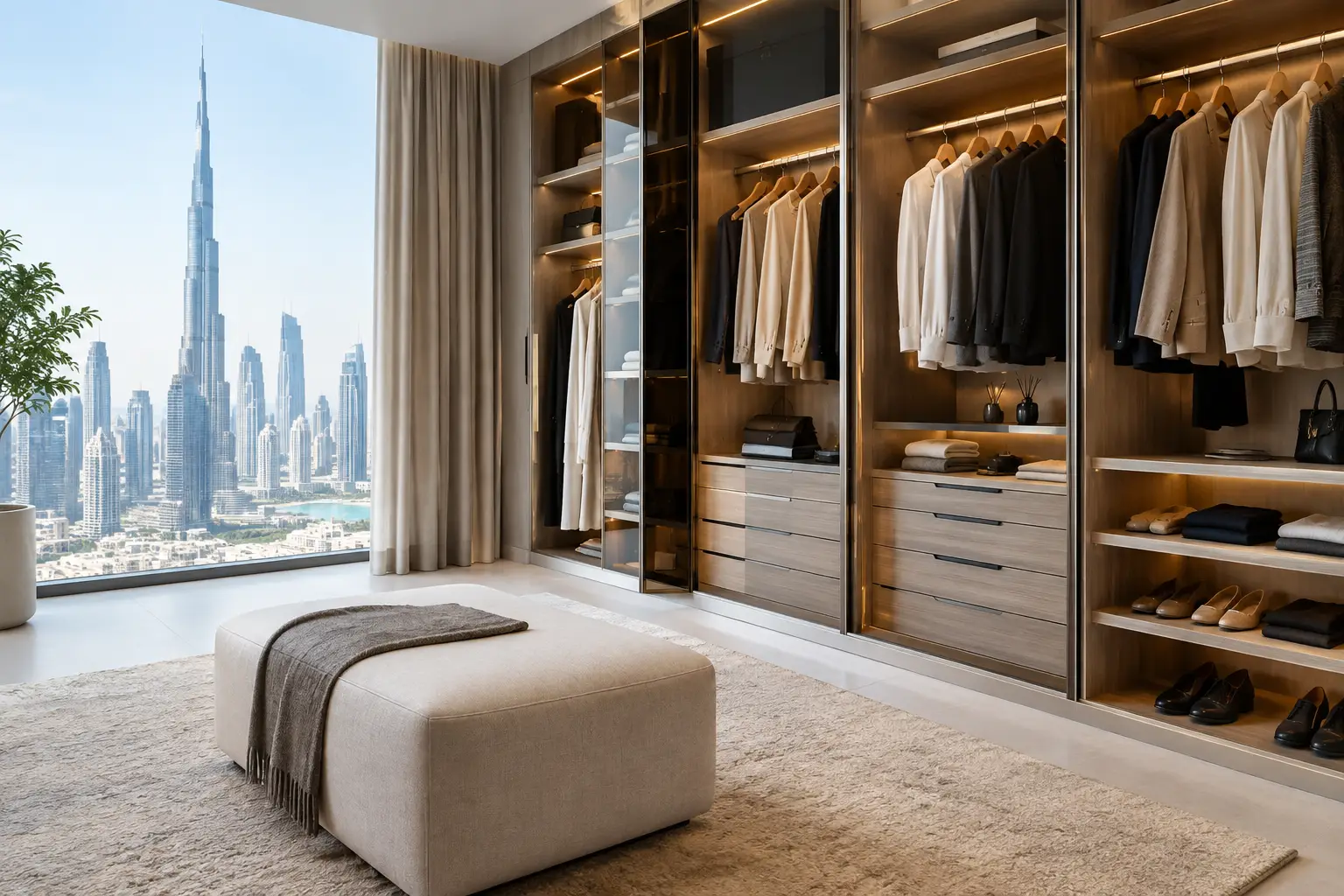
Inside, the layout can be just as deliberate. A client with business wear may need long hanging sections, pull-out trouser rails, and protected storage for shoes. A family may prioritize adjustable shelves, accessible drawers for children, and room for luggage or seasonal items. Someone with a carefully curated wardrobe may prefer illuminated glass-fronted sections, velvet-lined drawers, and dedicated compartments for watches, bags, or jewelry.
This is where bespoke joinery becomes a living work of art with a practical purpose. The exterior gives the room its presence. The interior gives it order.
Are custom wardrobes worthwhile for your home?
Custom wardrobes are most worthwhile when they solve a problem that standard furniture cannot. An awkward corner, a narrow bedroom, a sloped ceiling, or a wall interrupted by doors can all reduce the usefulness of a conventional unit. Made-to-measure joinery turns these limitations into usable storage without forcing the room into an awkward arrangement.
They are also a strong choice when visual continuity matters. In a refined primary suite, the wardrobe may be one of the largest surfaces in the room. Its finish, door profile, handles, lighting, and proportions influence the entire atmosphere. A tailored design can echo timber paneling, a feature wall, bedside joinery, or the tones used elsewhere in the home. The result is calm, cohesive, and distinctly personal.
There is a financial consideration as well. Bespoke wardrobes usually cost more upfront than mass-produced alternatives. Yet a well-planned, professionally installed piece can deliver years of daily use, require fewer replacements, and improve the perceived quality of a renovated property. For homeowners planning to stay, that long-term utility often carries more weight than the initial difference in price. For investors, thoughtfully designed fitted storage can make a property more appealing to discerning tenants or buyers.
That said, custom is not automatically the right answer. If you are furnishing a temporary home, working with a very tight budget, or expect to move soon, a quality modular wardrobe may be the more sensible choice. The investment makes the most sense when the home, the room, and your lifestyle justify a permanent solution.
The benefits you notice every day
The most satisfying benefits are often the least dramatic. Doors open without colliding with a bed or nightstand. The tallest dresses do not crease at the hem. Drawers hold what they are meant to hold. Items used every day sit at a comfortable height, while suitcases and off-season clothing are stored above.
In compact rooms, floor-to-ceiling cabinetry can significantly reduce clutter. It uses the vertical space that freestanding furniture often abandons, while creating a cleaner outline around the room. In larger bedrooms, a custom wardrobe can define zones – separating a sleeping area from a dressing area without making either feel closed in.
Quality construction also changes the experience. Properly aligned doors, durable hinges, smooth drawer runners, precise edging, and suitable internal fittings make a wardrobe feel effortless to use. These details may seem small at handover, but they are exactly what determine whether the joinery still feels polished after years of opening, closing, sorting, and reorganizing.
Where the budget goes
The cost of a custom wardrobe depends on more than its width. Material selection, internal accessories, door style, lighting, hardware, and installation conditions all affect the final figure. A simple matte laminate design with a practical internal layout will sit in a different range from a veneer-finished dressing wall with fluted glass doors, integrated LEDs, premium fittings, and specialized drawers.
The key is to invest where it improves function and longevity. Interior organization, reliable hardware, moisture-appropriate materials, and skilled installation are usually worth prioritizing. Decorative upgrades should support the larger design rather than consume the budget at the expense of useful storage.
A clear design-and-build process helps prevent unpleasant surprises. Before fabrication begins, the dimensions should be verified on site, the internal layout reviewed carefully, materials and finishes confirmed, and access requirements understood. This is especially valuable during a larger renovation, when electrical points, wall treatments, flooring, and ceiling details need to coordinate with the wardrobe design.
Design choices that add real value
A beautiful wardrobe should be easy to live with. Begin with the contents, not the finish. Count long garments, folded items, shoes, bags, and accessories before deciding how much hanging space or how many drawers to include. Many wardrobes look generous from the outside but underperform because their interiors were treated as an afterthought.
Next, consider the room. Hinged doors can offer full visibility and a classic furniture-like look, but they need clearance in front. Sliding doors can suit tighter spaces and create a clean contemporary façade, although their internal access is divided when one panel overlaps another. Glass or mirrored doors can brighten a room visually, while solid finishes tend to create a more understated, architectural effect.
Lighting is another decision with practical impact. Integrated sensor lighting helps in deep wardrobes and dressing areas, particularly when natural light is limited. Used with restraint, it also brings a tailored luxury to the interior without turning the wardrobe into a display case.
Finally, think beyond the present moment. Adjustable shelving, flexible hanging rails, and a sensible mix of open and concealed storage allow the wardrobe to evolve with changing routines. A design that can accommodate a new work wardrobe, a growing family, or a different season of life will remain useful for longer.
Why execution matters as much as design
A strong concept can be undermined by weak site coordination. Walls may not be perfectly straight, floors may vary in level, and existing services can affect what is possible. These realities are normal in renovation work, but they need technical attention before production rather than improvised fixes at installation.
Working with a team that manages design, technical detailing, fabrication, and installation creates clearer accountability. The wardrobe is not treated as a standalone purchase. It is considered alongside the room’s layout, electrical planning, finishes, and construction sequence. That approach reduces disruption and protects the final result.
At Aakruti, this is the difference between selecting cabinetry and shaping a complete interior. Vision meets craftsmanship when the aesthetic decisions and the technical work are managed together, from the first measurements through final handover.
A custom wardrobe is worthwhile when it gives your home more than storage: it gives you a room that works with ease and looks exactly as though it was always meant to be there. Start with how you want the space to feel each morning, then let thoughtful planning turn that feeling into a place for everything.