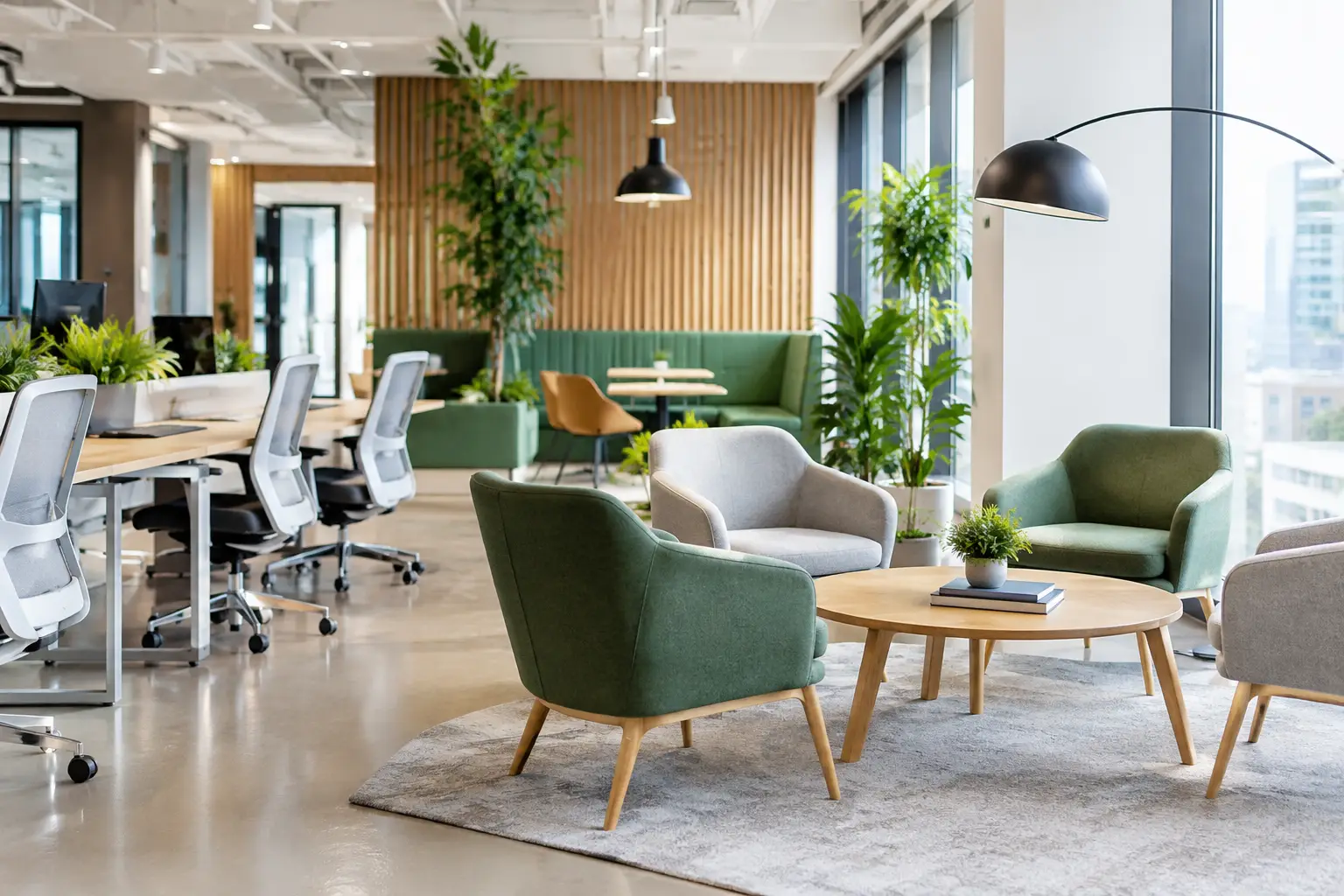
A workplace can look impressive in photographs and still fail the people who use it every day. The most valuable workplace design trends are not defined by a fashionable finish or a dramatic reception desk. They respond to how teams actually focus, meet, recharge, host clients, and adapt when business needs change. For office decision-makers, that distinction protects both the investment and the employee experience.
A refined workplace should feel intentional from the first step inside. It should also make daily work easier behind the scenes, with thoughtful acoustics, practical circulation, durable materials, and infrastructure that supports technology without visual clutter. The goal is not to chase every new idea. It is to create an environment that expresses your business with confidence and performs beautifully over time.
Workplace Design Trends With Lasting Value
Purpose-built zones replace the open-plan default
For years, the open office was treated as the answer to collaboration. It offered visual energy and efficient use of floor area, but it often brought distractions, limited privacy, and a shortage of quiet places to think. The stronger approach now is a workplace with a range of settings, each designed for a clear purpose.
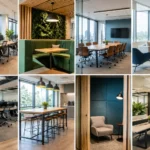
A well-planned office may include open workstations for team connection, enclosed focus rooms for concentrated tasks, small booths for private calls, project tables for active collaboration, and inviting lounges for informal conversations. This is not about making the workplace feel fragmented. It is about giving people appropriate choices within a cohesive spatial story.
The balance depends on the organization. A client-facing consultancy may need polished meeting suites and discreet work areas. A creative team may prioritize flexible project zones, writable surfaces, and shared worktables. Before layouts are finalized, decision-makers should examine work patterns rather than relying on a generic ratio of desks to meeting rooms.
Acoustic comfort becomes a design essential
Noise is one of the fastest ways to make a beautiful office feel exhausting. Conversations carry across hard surfaces, video calls compete with one another, and employees begin using meeting rooms simply to find quiet. Acoustic planning is therefore moving from a technical afterthought to a central element of workplace design.
This does not mean covering every wall with obvious sound panels. Upholstered seating, acoustic ceilings, textured wall finishes, rugs, curtains, high-backed banquettes, and well-designed partitions can soften sound while enriching the visual composition. Bespoke joinery can also be used strategically, creating enclosed phone booths, library-style shelves, or screening elements that improve both privacy and atmosphere.
The key is to address sound early. Once furniture, lighting, HVAC, and partitions have been selected, retrofitting acoustic solutions can be more costly and less integrated. A coordinated design-and-build process helps ensure that each finish serves a purpose beyond appearance.
Hospitality-inspired spaces raise the daily experience
Employees and visitors notice how a workplace makes them feel. This is why offices are taking cues from hospitality design: warmer lighting, residential-scale furniture, curated art, layered materials, and refreshment areas that encourage a genuine pause rather than a rushed coffee break.
The most successful interpretation is not a hotel lobby copied into an office. It is a workplace that feels welcoming while remaining efficient. A lounge might double as an informal meeting zone. A café-style pantry can become a place for team connection, town halls, or client hosting. A reception area can communicate calm authority through natural stone, crafted woodwork, and lighting that enhances architectural detail.
For brands operating in competitive markets, these moments carry weight. They tell clients that the organization is considered, established, and attentive to quality. They also give employees a stronger sense of belonging, particularly when hybrid work has reduced the number of casual interactions that once happened naturally.
Flexible planning supports change without constant renovation
Business plans move faster than traditional fit-outs. Headcount shifts, teams reorganize, and technology changes. A workplace designed around fixed assumptions can become inefficient long before its finishes show wear.
Flexible planning protects against that risk. Modular furniture, movable partitions, adaptable power access, and multipurpose rooms allow an office to evolve with less disruption. A training room, for example, may need to become a boardroom, workshop area, or client event space at different times of the month. Designing for those transitions from the beginning is more effective than forcing one room to do everything poorly.
Flexibility has limits. Too many movable elements can make a space feel temporary or visually unsettled. Permanent architectural features still matter, especially in reception areas, executive suites, kitchens, and client meeting rooms where brand presence and craftsmanship should feel enduring. The best projects combine an elegant, lasting shell with adaptable working layers.
Biophilic design is becoming more disciplined
Natural materials, planting, daylight, and outdoor views continue to influence office interiors, but the conversation has matured. Adding a few plants is not enough to improve a stressful or poorly planned environment. Biophilic design works best when it is integrated into the entire experience of the space.
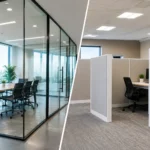
Where possible, workstations should benefit from daylight without suffering from glare and heat. Interior glazing can bring borrowed light into enclosed rooms. Timber finishes, stone textures, and nature-inspired color palettes can add warmth without turning the office into a themed environment. Carefully selected greenery may define a lounge, soften a circulation route, or create a memorable backdrop at reception.
In Dubai, material performance deserves particular attention. Strong daylight, air-conditioning demands, and maintenance conditions affect which fabrics, plants, glass treatments, and finishes will remain attractive. A sophisticated concept must be backed by practical product selection and a clear maintenance plan.
Technology becomes quieter and more integrated
A workplace increasingly needs to support people in the room and people joining remotely. Yet screens, cables, sensors, and charging points should not dominate the interior. The trend is toward technology that works intuitively while blending into the design.
Meeting rooms benefit from camera positions, lighting, and acoustic treatment planned together, so remote participants can see and hear clearly. Power and data access should be available where people actually work, including lounges and touchdown spaces, not only at fixed desks. Integrated cable management and custom joinery keep shared areas polished, reducing the visual noise that makes an office feel unfinished.
Not every business needs advanced automation. It depends on operational needs, budget, and the scale of the workplace. Investing first in reliable connectivity, useful meeting technology, and accessible power often creates more value than adding complex systems that employees find difficult to use.
Designing for Well-Being Without Losing Performance
Well-being is sometimes presented as a collection of amenities: a meditation room, a games table, or a statement pantry. Those features can be welcome, but daily comfort has a greater impact. Ergonomic furniture, good air quality, controlled glare, access to quiet, and clear circulation make the workday feel more manageable.
Wellness also includes dignity. Provide spaces where employees can take private calls, handle personal matters, or simply reset between demanding tasks. Consider accessibility from the earliest planning stage, including route widths, furniture clearances, restroom design, visual contrast, and the usability of meeting spaces. A workplace that accommodates different needs with ease is both more professional and more humane.
There is a commercial benefit as well. When offices support focused work and meaningful interaction, they give people a reason to use them. That matters for organizations refining their hybrid-work model, where attendance cannot be sustained by policy alone.
Let Brand Identity Guide the Details
The most memorable workplaces do not rely on oversized logos. They express brand character through the quality of materials, the rhythm of the space, the tone of lighting, and the details employees touch every day. A law firm may favor restrained stone, tailored joinery, and private meeting areas. A forward-looking technology business might use expressive color, flexible collaboration settings, and transparent partitions to signal openness.
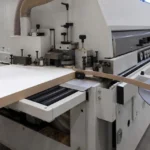
Consistency matters more than spectacle. Brand identity should be present in the visitor journey, from reception to meeting rooms and washrooms, while still allowing teams to work comfortably. Custom joinery is particularly valuable here because it can combine storage, display, acoustic control, and brand expression in a single, precisely crafted element.
Turning Trends Into a Workable Fit-Out
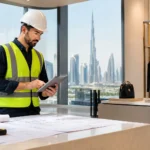
Trend-led decisions become expensive when design, construction, and contractor coordination are handled separately. A strong project begins with a detailed brief: who uses the space, how work happens, what must change over the next few years, and which client experiences matter most. From there, space planning, finish selections, technical drawings, budget review, and implementation should stay connected.
This is where an end-to-end partner can make the process calmer. Aakruti Technical Services Co. brings design direction, fit-out coordination, bespoke joinery, and project management into one accountable process, helping clients move from an ambitious concept to a polished handover with greater control over quality, costs, and timing.
The right workplace should not ask people to admire it from a distance. It should make focused work feel easier, client meetings feel more assured, and every return to the office feel worthwhile.